
Green Peeled Pistachio Kernel
What is GPPK?

Why is the Iranian Green Peeled Pistachio Kernel Famous Worldwide?
- Strong and natural green color
- Rich pistachio flavor and aroma
- High oil content
- Premium appearance
- Wide range of grades
- Competitive export pricing
- Large-scale export capability
What Should a Green Peeled Pistachio Kernel Manufacturer Provide?
A reliable Green Peeled Pistachio Kernel (GPPK) manufacturer should offer high-quality products, food safety compliance, and professional export services. Buyers in the confectionery, chocolate, bakery, ice cream, and food processing industries expect consistent quality and full documentation.
Key Requirements of a Professional GPPK Supplier
1. Consistent Green Color Grading
Clear grading systems such as S, A, B, and C based on green intensity and uniformity.
2. Food Safety Certifications
HACCP, ISO 22000, FDA, BRC, phytosanitary certificates, and aflatoxin test reports for export compliance.
3. Laboratory Testing & COA
Moisture analysis, aflatoxin control, microbiological testing, pesticide residue reports, and Certificates of Analysis (COA).
4. High Processing Standards
Clean peeling, low broken percentage, proper drying, no artificial coloring, and fresh aroma.
5. Customized Product Options
Whole kernels, halves, granules, powder, and customized green grades for chocolate, bakery, gelato, and confectionery industries.
6. Professional Export Packaging
Vacuum bags, nitrogen flushing, food-grade cartons, and moisture-resistant packaging to preserve freshness and color.
7. Traceability & Origin Information
Harvest year, pistachio variety, batch tracking, and origin transparency from leading production regions such as Rafsanjan.
8. Stable Supply Capacity
Consistent production, container-loading capability, MOQ transparency, and reliable shipment schedules.
9. Stable Supply Capacity
Consistent production, container-loading capability, MOQ transparency, and reliable shipment schedules.
GPPK GRADES
The grading of the green peeled pistachio kernel, is according to the color and brightness.
There are seven main grades of the GPPK which are S,A,B,C,D,F, and H.
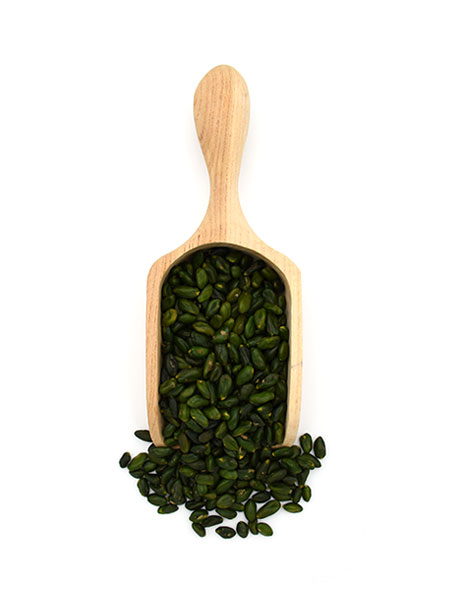
GRADE S
Super Green
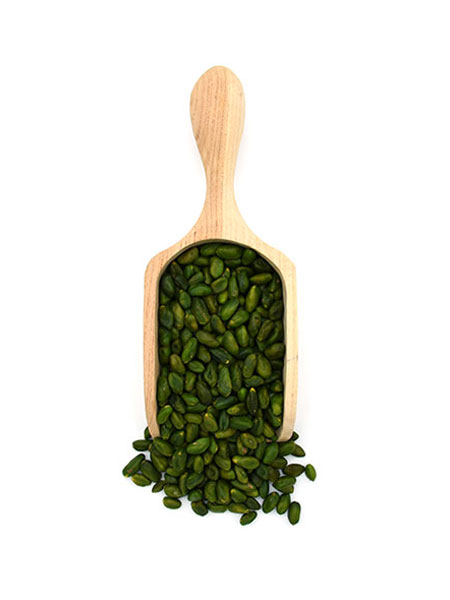
GRADE A
Green A
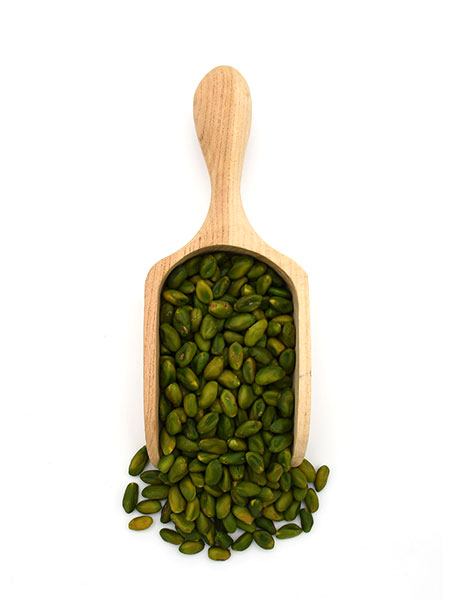
GRADE B
Green B
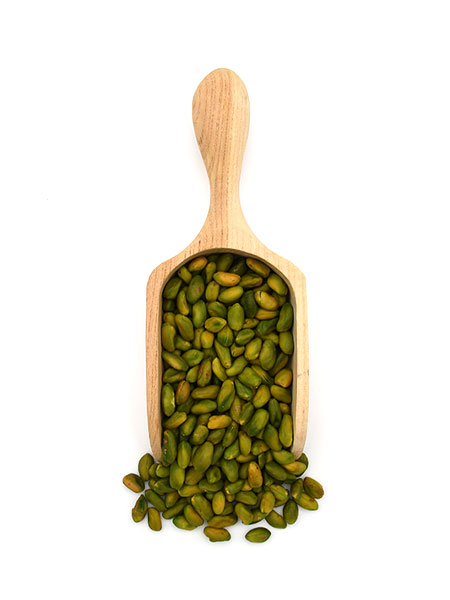
GRADE C
Green-Yellow
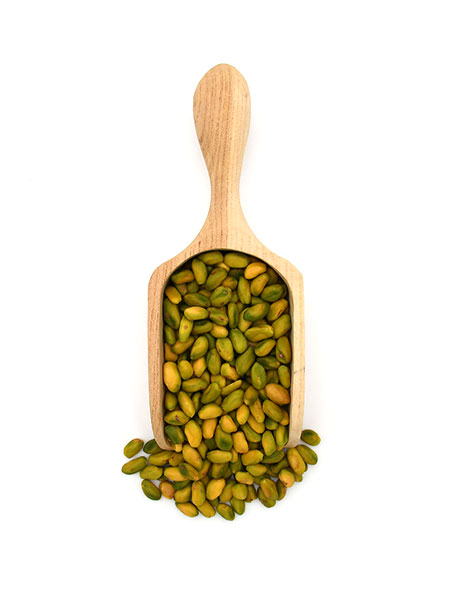
GRADE D
Yellow
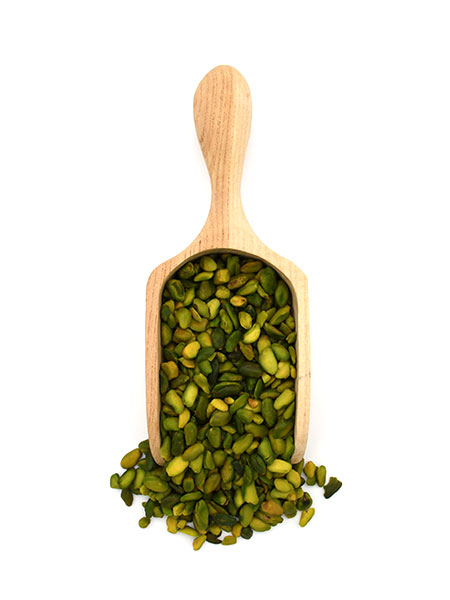
GRADE F
Green 1/2
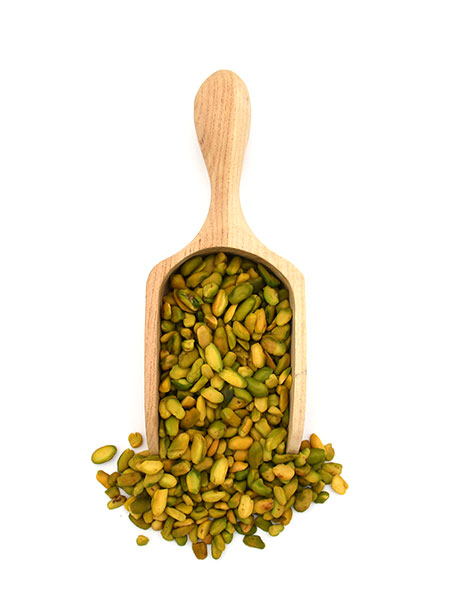
GRADE H
Yellow 1/2
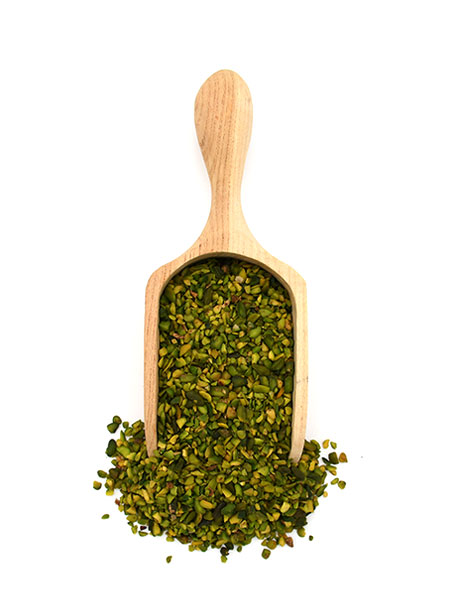
GRNULES A
Green Broken
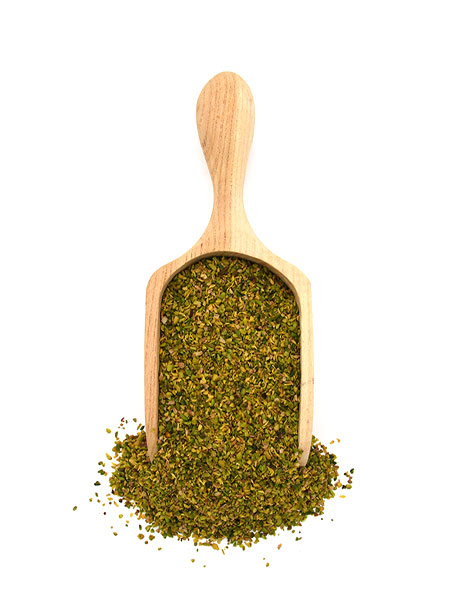
GRANULES B
Green-Yellow Broken
GPPK PACKAGING
PACKAGING MATTERS!

Depending on customer requirements, GPPK is usually packed in 10 kg or 12.5 kg cartons with an inner vacuum bag. Smaller retail packaging options are also available for supermarkets and food service industries.
- 10kg Box Dimension: 38×22×23 cm
- 12.5kg Box Dimension: 42×25×23 cm
How is the GPPK produced?
GPPK GRADES COLOR PALLET
Your Content Goes Here
CHINA, A Growing Market!
Why China Is Becoming a Key Market for Iranian Green Peeled Pistachio Kernel (GPPK)
- Growing Demand: The demand for GPPK is increasing, primarily driven by the growth of China’s bakery, confectionery, and dairy industries which means the rise in China’s premium food market. Consumers in urban areas are seeking high-quality, imported ingredients for gourmet food products like moon-cakes, chocolates, pastries and ice cream.
- Quality Focus: Chinese manufacturers are now more informed about the grades which led the for prioritizing premium grades of GPPK, They often seek super-green and bright-green grades for high-end applications where visual appeal is critical. Premium grades are especially valued in chocolate decorations, bakery toppings, and luxury gift products, while lower grades may be used in fillings, pastes, and industrial food production.
- Natural Ingredients Trend: There is a growing preference among consumers for natural ingredients over artificial additives, boosting the appeal of GPPK.
- Strategic Relationships: Iranian exporters built strong relationships with Chinese importers, focus on consistent product quality, and maintain reliability in supply chains. but unfortunately, recently the Iran Pistachio inventory is influenced by the climatic hardships so the supply sustainability is a real issue now.
For importers and food manufacturers: Whats the reason you’re avoiding to buy lower-quality grades such as grades C,D, F,H, and granules for use as base material while they are much cheaper and easier to supply?

Leave A Comment